
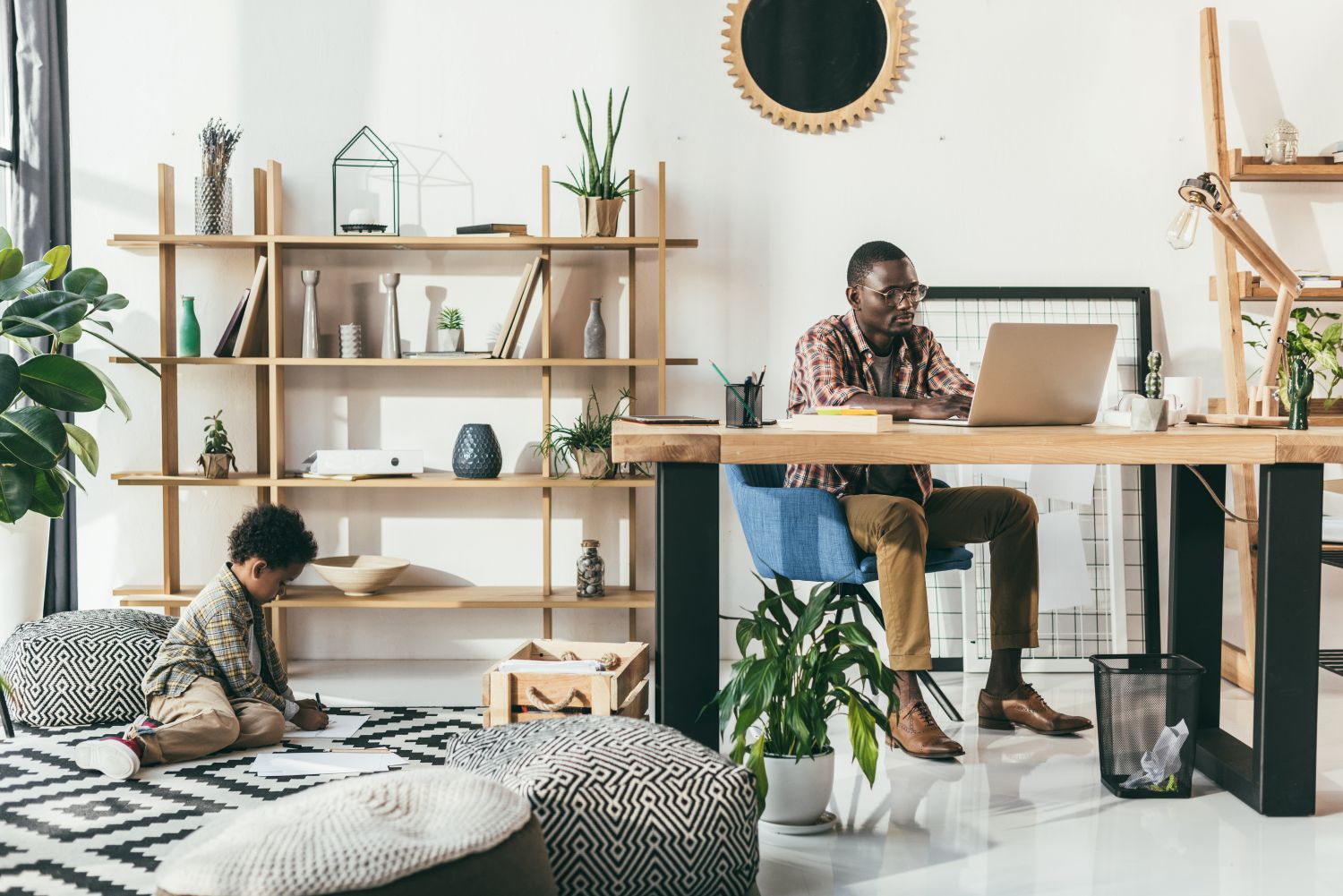
A thoughtfully designed workspace can elevate productivity, foster creativity, and enhance employee well-being. In an era where efficient office environments are paramount, choosing the right decoration design contractor becomes crucial. This article will delve into assessing your needs, exploring diverse design styles, and navigating the contractor selection process. By understanding how to effectively transform your workspace, you can create an inspiring atmosphere that aligns with modern demands. Discover the key elements to ensure your office stands out in today’s competitive landscape.
The Importance of Office Design in the Digital Era
In the digital era, the design of office spaces significantly influences employee engagement and creativity, thereby having substantial effects on organizational performance.
Employers can enhance workplace design by prioritizing flexible layouts, collaboration spaces, and the integration of technology. For example, open-plan areas can promote teamwork, while designated quiet zones facilitate focused work. The incorporation of amenities such as smart lighting and ergonomic furniture can greatly enhance comfort and productivity.
Adapting to the trends of remote work with hybrid spaces is essential; organizations should consider equipping shared areas with video conferencing technology. Additionally, regularly soliciting employee feedback on these design changes ensures that the workplace evolves in alignment with the needs of the team, ultimately fostering a more innovative environment.
Understanding Your Needs
Comprehending the requirements of your workspace is fundamental for developing an effective office design that aligns with organizational objectives.
Assessing Your Current Workspace
Conduct a comprehensive assessment of the current workspace by evaluating layout efficiency, employee satisfaction surveys, and space utilization metrics.
Begin by collecting data regarding employee interactions with the workspace. Utilize OfficeSpace to monitor utilization patterns, with pricing starting at $5 per user per month.
Administer surveys using Google Forms to gather insights on layout preferences and identify areas that require improvement. It is essential to pinpoint bottlenecks where teams may encounter difficulties in collaboration.
Following the analysis of this data, consider reorganizing desks or meeting areas in accordance with employee feedback, striving for a balance between open collaboration and focused workspaces. This approach ensures that changes are aligned with actual needs and serve to enhance overall productivity.
Identifying Goals and Objectives
Establishing clear goals and objectives for workspace transformation is essential to ensure that the design effectively addresses the specific needs of the organization.
Begin by identifying the primary functions of the space. For example, if collaboration is a key priority, it may be beneficial to consider an open layout with movable furniture.
Utilize project management tools such as Trello or Asana to outline these objectives, ensuring they are in line with your timeline and budget constraints.
It is important to set measurable milestones, including:
- Completion of layout drafts by the end of Q1
- Finalization of vendor contracts by the end of Q2
Regularly reviewing progress against these goals will allow for necessary adjustments, ensuring the project remains on track and responsive to the evolving needs of the organization.
Types of Office Decoration Styles
Selecting the appropriate office decoration style can greatly improve both the ambiance and functionality of the workplace.
Modern Minimalism
Modern minimalism emphasizes simplicity and functionality, typically characterized by clean lines and a neutral color palette that enhances focus.
To establish a minimalist workspace, it is advisable to begin by decluttering the desk, retaining only essential items such as a monitor, keyboard, and notepad.
Incorporating open spaces around the workstation is beneficial; one may draw inspiration from IKEA’s workspace designs, which often feature light-colored furniture and ample natural light.
Implementing strategic lighting solutions, such as adjustable desk lamps, can improve focus while maintaining a serene environment. It is recommended to pursue a cohesive color scheme comprising whites, grays, and muted pastels to create a calming atmosphere that promotes productivity.
Biophilic Design
Biophilic design establishes a connection between indoor environments and nature by integrating elements such as natural light, greenery, and outdoor views, thereby enhancing employee well-being.
To implement biophilic design effectively, one may begin by introducing plants sourced from reputable providers like Bloomscape, which offers a diverse range of options starting at $35.
Incorporating features such as large windows or skylights can further enhance the influx of natural light; research indicates that this can increase productivity by up to 15%.
Additionally, the inclusion of nature-themed artwork or ambient sounds, such as water features, can contribute to creating a serene atmosphere. These elements foster a calming environment, ultimately leading to improved focus and reduced stress levels among employees.
Collaborative Spaces
Collaborative spaces enhance teamwork and innovation by creating environments that promote interaction and creativity among employees.
Effective collaborative spaces incorporate flexible seating arrangements, such as movable furniture that can be easily reconfigured for group discussions or workshops. For example, companies like WeWork utilize modular desks and comfortable seating to encourage spontaneous brainstorming sessions.
The integration of technology, including smartboards and high-speed Wi-Fi, facilitates seamless collaboration, enabling teams to share ideas in real-time.
Moreover, emphasizing natural light and open layouts can further enhance creativity, making these spaces inviting and conducive to teamwork. These design elements reflect a commitment to fostering connections and driving innovation within the organization.
Finding the Right Contractor
Selecting the appropriate contractor is essential for the successful execution of your vision for a transformed workspace.
Researching Potential Contractors
Commence your contractor search by utilizing platforms such as Houzz or Thumbtack to evaluate potential candidates based on their reviews and portfolios.
Upon identifying several promising contractors, it is advisable to create a checklist to facilitate your discussions. Key questions to consider include:
- What is your experience with projects similar to mine?
- Can you provide references?
- What is your projected timeline for completion?
Additionally, evaluate their budget estimates to determine if they align with your financial plan. It is also important to assess their communication style and responsiveness, as these factors will significantly influence the success of the entire project.
By concentrating on these elements, you can make a more informed decision that aligns with your specific requirements.
Evaluating Portfolios and Experience
When reviewing contractor portfolios, it is essential to focus on completed projects that align with your desired style and functionality, while also considering client testimonials.
Evaluate the portfolios by examining the diversity of the projects presented. Seek a variety of styles and complexities that demonstrate the contractor’s versatility. For instance, if you encounter a contractor on Behance, compare the differences in aesthetics among their projects, such as sleek modern designs versus rustic styles.
Additionally, it is important to read through client testimonials to assess overall satisfaction; positive feedback regarding communication, adherence to deadlines, and the quality of the final output can provide valuable insight into how well the contractor aligns with your vision. This comprehensive evaluation can facilitate a more knowledge-based decision making process.
Budgeting for Office Decoration
Developing a realistic budget for office decoration is crucial to ensure that design aspirations are in alignment with financial limitations.
Cost Considerations
It is essential to consider the costs associated with materials, labor, and unforeseen expenses, utilizing tools such as Evernote (ranging from free to $7.99 per month) to meticulously track budgeting details.
When undertaking the decoration of an office, it is advisable to categorize your budget into specific segments. Typically, furniture constitutes the largest portion of the budget, with desks priced between $200 and $1,000 and ergonomic chairs ranging from $150 to $600.
Additionally, one should not overlook the significance of decor; items such as plants and artwork can range from $50 to $500 each. It is prudent to allocate a contingency fund of 10-15% of the total budget to accommodate unexpected costs, which may arise from last-minute design alterations or compliance with building code requirements.
Moreover, tools like Mint can effectively assist in the management of these budgets.
Investment vs. Expense
Understanding the distinction between investment and expense in office decoration can significantly impact long-term financial health. To assess the potential return on investment (ROI) from design expenditures, it is important to consider metrics such as employee retention and productivity.
For example, companies like Google and Zappos have reported substantial increases in employee satisfaction as a direct result of their thoughtfully designed workspaces.
Incorporating biophilic design elements-such as living plant walls or maximizing natural light-can contribute positively to employee well-being. Monitoring productivity levels before and after a renovation can yield quantitative data to substantiate the investment.
To justify design costs, it is advisable to target a 5-10% improvement in metrics such as employee output or retention rates, thereby ensuring that the design choices made are financially sound.
Collaboration and Communication
Effective collaboration and communication with contractors facilitate a successful workspace transformation process.
Working with Your Contractor
Establish regular check-ins and progress updates with your contractor to ensure alignment on project goals and timelines.
Utilize project management tools such as Asana, Trello, or ClickUp to facilitate streamlined communication and task tracking.
It is advisable to schedule weekly video calls to discuss updates, challenges, and next steps, ensuring that any issues are addressed promptly.
Set clear milestones and deadlines within the platform, allowing both parties to visualize progress effectively.
For example, when working on a marketing campaign, assign tasks related to:
- Content creation
- Social media strategy
- Analytics reporting
Refining the approach based on ongoing feedback is crucial. This collaborative process fosters accountability and strengthens the working relationship between the parties involved.
Feedback and Iteration Process
Incorporate feedback loops throughout the design process to adapt plans based on stakeholder input and evolving needs.
Commence by implementing anonymous employee surveys utilizing tools such as SurveyMonkey or Google Forms. This approach facilitates honest feedback regarding design elements and usability.
Organize focus groups composed of diverse stakeholders to obtain nuanced insights. During design iterations, present prototypes for testing and encourage real-time feedback sessions.
Utilize methodologies such as usability testing or A/B testing to assess reactions and refine features. By consistently engaging users throughout the process, the design can effectively evolve to ensure it meets the genuine needs of its audience.
Future Trends in Office Design
Emerging trends such as flexible workspaces, biophilic design, and advanced technology integration are significantly influencing the future of office environments.
To effectively adapt to these trends, organizations should consider investing in modular furniture that facilitates easy reconfiguration for various tasks, including collaborative meetings or quiet workstations.
In the realm of biophilic design, the incorporation of natural elements, such as indoor plants or water features, can enhance employee wellness and productivity.
The implementation of advanced technologies, including Internet of Things (IoT) devices for monitoring energy consumption, contributes to the creation of a sustainable workplace.
By focusing on these critical elements, organizations can improve employee satisfaction and foster innovation within their office spaces.